
Athetoid Cerebral Palsy: Causes, Symptoms, and Birth Injury Claims
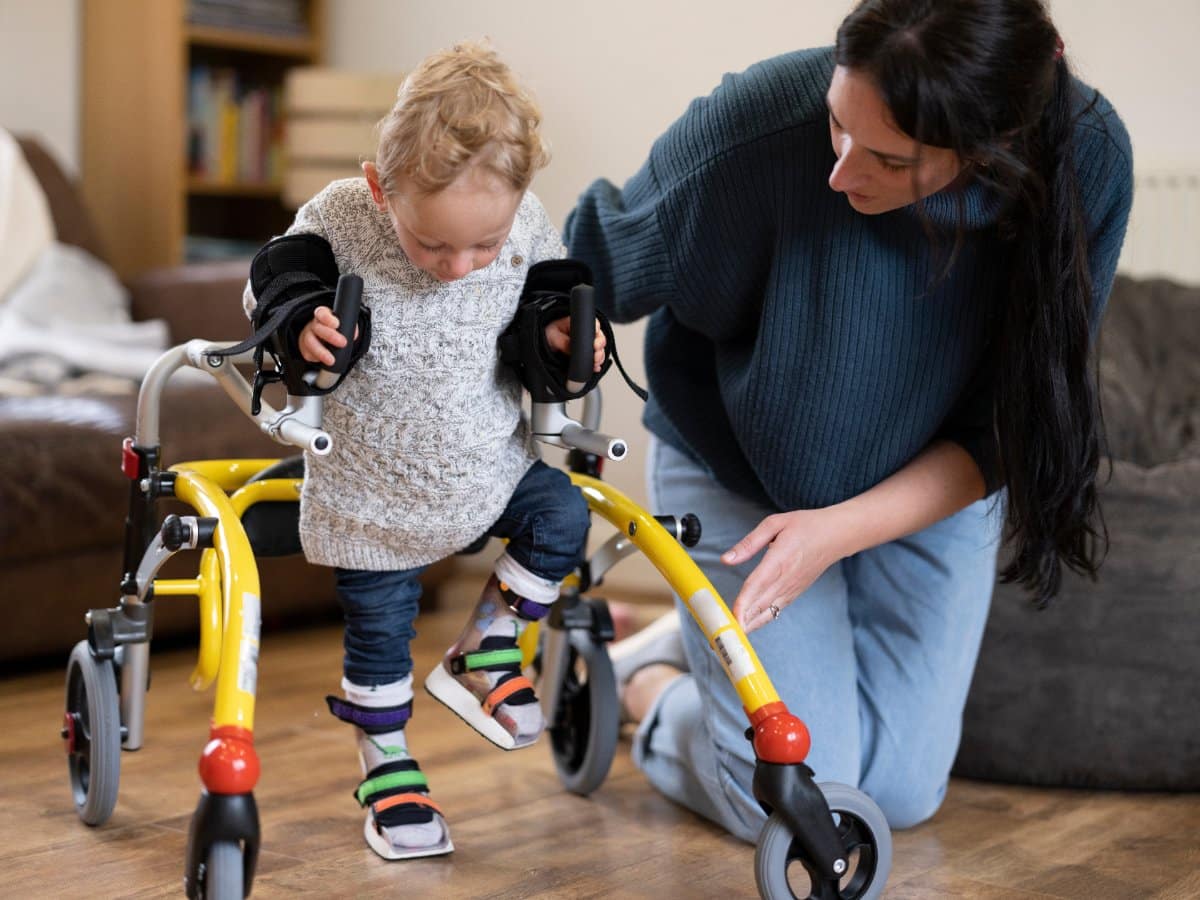 Cerebral palsy is a neurological disorder that impacts an individual’s movement, coordination, and muscle control. One of the less common forms is athetoid cerebral palsy, which causes involuntary movements that interfere with speaking, walking, eating, and other everyday tasks. It’s also known as dyskinetic cerebral palsy and is sometimes associated with preventable birth complications caused by oxygen deprivation, delayed medical treatment, and neonatal brain injuries.
If your child has been diagnosed with athetoid cerebral palsy in Ohio and you wonder if medical malpractice led to your child’s condition, it may be time to talk to a birth injury attorney. Call Crandall & Pera Law, LLC to discuss your next steps.
What is athetoid cerebral palsy?
Athetoid CP is a form of cerebral palsy characterized by abnormal involuntary movements. It’s caused by damage to the part of the brain that controls your voluntary movement. The basal ganglia are involved in regulating movement and muscle coordination, and injuries to this area during pregnancy, labor, and delivery can contribute to athetoid cerebral palsy.
When a child is diagnosed with this condition, they may experience involuntary muscle movements. In some cases, that means slow, twisting movements; in others, sudden, jerking movements.
While spastic cerebral palsy generally causes muscle stiffness, athetoid cerebral palsy mainly impacts movement control and overall coordination. A patient’s symptoms may fluctuate throughout the day and worsen with fatigue, excitement, and stress.
Athetoid cerebral palsy causes
Parents whose children suffer a serious diagnosis often wonder what led to their child’s suffering and difficulties. In some cases, athetoid CP is caused by factors outside anyone’s control. But sometimes, it could have been prevented with evidence-based medical care.
Oxygen deprivation during birth
One of the most serious causes of this form of cerebral palsy is oxygen deprivation during labor and delivery. Hypoxia occurs when the baby’s brain doesn’t receive enough oxygen, and prolonged interruption in oxygen or blood flow can cause permanent brain injury. This can happen in prolonged labor, cases involving placental complications, or umbilical cord compression that reduces oxygen and blood flow.
Delayed emergency C-sections
Medical care providers who care for women during labor and delivery are supposed to monitor fetal distress carefully during labor. There are specific warning signs that show up on heart rate and contraction monitoring strips that can indicate that a baby is not tolerating labor well. If a doctor delays a C-section despite clear signs that a baby is not doing well in labor, the baby may stay in an oxygen-deprived state for so long that permanent damage occurs.
Umbilical cord problems
Umbilical cord issues often interfere with oxygen flow to the baby during labor and delivery. Cord prolapse, cord compression, and nuchal cord complications can all interfere with oxygen delivery. This is where rapid medical intervention can make a significant difference in a baby’s outcome.
Severe jaundice and kernicterus
If a newborn baby has jaundice that goes untreated for long enough, it may lead to kernicterus. This is a type of brain damage caused by excessive bilirubin levels. Kernicterus can affect areas of the brain that oversee muscle control and movement, potentially leading to athetoid cerebral palsy. Doctors who recognize the signs of jaundice and begin treatment immediately may reduce the risk of permanent injury.
Symptoms of athetoid cerebral palsy
Children with this form of cerebral palsy often have involuntary, difficult-to-control movements. Movements tend to vary from child to child. Common symptoms may include:
- Twisting or writhing movements
- Jerking motions
- Difficulty maintaining steady posture
- Poor coordination
- Problems with balance
- Fluctuating muscle tone
Children may alternate between stiff and floppy muscle tone. This makes intentional movement especially difficult.
Athetoid cerebral palsy can also cause speech and swallowing problems, as the condition may affect muscles involved in eating and speaking. Children may experience slurred speech, delayed speech development, feeding difficulties, drooling, and trouble swallowing safely.
While gross motor skills may be the most obviously impacted developmental area, fine motor skills may also be impacted. Tasks like writing, holding objects, and using utensils can be challenging due to uncontrolled movements.
How is athetoid cerebral palsy diagnosed?
This process often begins when parents or the child’s pediatrician recognize developmental delays or unusual movement patterns. Neurological examinations, MRI scans, developmental assessments, and muscle tone evaluations can all lead to a diagnosis.
While there is no cure for athetoid CP, treatments like physical therapy, occupational therapy, and speech therapy can help children master important skills, improve mobility, and communicate more easily. They may also take medications for muscle control or use mobility aids and communication devices.
Athetoid cerebral palsy may be a birth injury caused by negligence
Athetoid cerebral palsy doesn’t always mean that medical malpractice occurred. Sometimes, even in the face of evidence-based and appropriate medical care, devastating conditions occur. But there are circumstances that may raise concerns. Warning signs to look for include:
- Failure to monitor fetal heart rate or respond to signs of fetal distress
- Delayed emergency delivery
- Improper response to oxygen deprivation
- Untreated jaundice
- Labor complications were glossed over or not explained to you
- Poor documentation of labor and delivery
When a healthcare provider deviates from the standard of care in their specialty, and a patient suffers preventable injury or death, that may be medical malpractice. These cases are highly fact-specific, and it’s important for parents concerned about their children’s future to work with an experienced birth injury attorney who can analyze medical documentation, diagnostic tests, and other evidence to determine whether or not malpractice occurred.
Find out how Crandall & Pera Law, LLC can help you seek justice
If you believe that your child’s athetoid cerebral palsy may be the result of a negligent doctor, find out if you have a medical malpractice case. While compensation cannot cure your child’s condition, it can help you get the support, treatment, and equipment they need to live as independently as possible. Call us or get in touch online to schedule your consultation.