
Driving Anxiety After a Car Accident: How to Cope and Move Forward
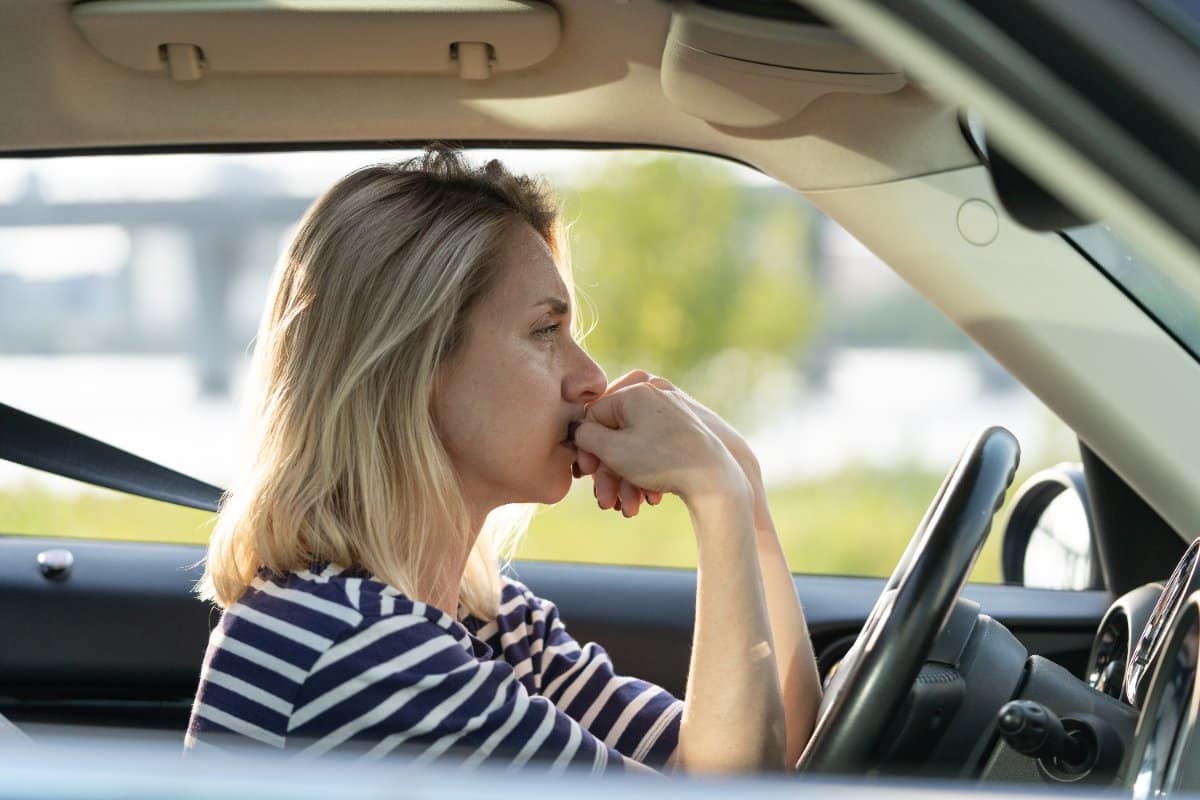 Car accidents can be traumatic, especially if you suffer an injury. The experience can lead to driving anxiety, which can affect you physically and mentally and impact your daily life.
Crandall & Pera Law, LLC advocates for car accident victims. We understand the anxiety that can follow a crash, and we’re here to help. If you were hurt, we could help you seek the compensation you need to move forward.
What is driving anxiety?
Driving anxiety is a fear of driving. It can develop in different ways, including after being in a car accident. Driving anxiety can also be triggered by a negative driving experience, such as driving in bad weather or getting lost.
According to the Cleveland Clinic, people can suffer from driving anxiety (amaxophobia) at different levels. Someone with driving anxiety may be:
- Unable to drive
- Able to drive but unable to ride with someone else behind the wheel
- Only able to ride with a trusted driver, like a spouse or other family member
- Able to take public transportation, a taxi, or a rideshare, as long as the route stays the same
- Unable to be a passenger in any vehicle, no matter who is driving
- Unable to even think about driving or riding with someone else without feeling panic and anxiety
Driving anxiety can affect anyone at any age, from teen drivers to adults. However, people may be more likely to develop car accident anxiety after being in a crash. People may also be more prone to driving anxiety if they suffer from another phobia, generalized anxiety disorder, or panic disorder.
What are the symptoms of driving anxiety?
Driving anxiety can cause physical and mental symptoms. According to Medical News Today, these symptoms can include:
- Sudden and intense fear
- Sweating
- Racing heart rate
- Nausea
- Dry mouth
- Shortness of breath
- Lightheadedness or feeling faint
How can driving anxiety affect your life?
Driving anxiety can make things you used to do without thinking much harder. You might be fine driving around your neighborhood but panic at the thought of getting on the highway. Or maybe you don’t want to drive at all. Some people even become afraid of riding in a car with someone else behind the wheel.
That can create problems, especially if you rely on your car to get to work, take your kids to school, or make it to appointments. You may have to depend on friends or family for rides. You might start skipping social events because getting there feels like too much. And when you can’t go where you want, when you want, it can take a toll on your mental health.
How to cope with driving anxiety after a car accident
Psychotherapy (talk therapy) and exposure therapy are two commonly used treatments to treat driving anxiety.
Talk therapy allows you to talk through what happened. A therapist can help you figure out what sets off that fear and how to deal with it. This might include breathing exercises or mindfulness techniques. In some cases, a healthcare provider may prescribe medication to help manage your symptoms.
Exposure therapy is a little different. It involves getting used to driving again, one small step at a time. You might start by watching a video of someone driving or sitting in your car while it’s parked. Later, you might move on to driving around an empty parking lot. As you become more comfortable, you can work toward driving on regular roads again. Your therapist may also have you practice breathing exercises during these sessions.
Treatment may help you feel more comfortable getting back on the road.
You may be entitled to compensation for driving anxiety and other crash damages
After a car accident, driving anxiety may be only one of many issues you’re dealing with. You may also have physical injuries and other mental pain and suffering. If your accident was caused by someone else’s negligence, you may be able to seek damages to pay for related expenses, including the cost of driving anxiety treatments.
Car accident cases are all unique. In general, compensation can include:
- Emergency medical treatment, hospitalizations, and surgeries
- Physical therapy and rehabilitation
- Mental health services, including talk therapy and exposure therapy
- Lost income, including wages missed from work due to injuries or driving anxiety
- Physical pain from severe, permanent, or disabling injuries
- Mental and emotional suffering, including anxiety, fear, depression, and lost quality of life, subject to Kentucky’s no-fault injury threshold
How long do you have to file a car accident claim?
You should file auto insurance claims related to your car accident immediately. If you have to sue for damages, starting your case as soon as possible can help ensure you don’t miss the statute of limitations. These laws outline how long you have to file a personal injury lawsuit in your state.
In Kentucky, Ky. Rev. Stat. Ann. § 304.39-230 gives you two years after the injury or the last PIP payment, whichever is later, to file most car accident lawsuits.
In Ohio, Ohio Rev. Code Ann. § 2305.10 also gives you two years.
How our attorneys could help with your case
Driving anxiety is real, and it’s just one way your life can change after a serious car accident. If you or someone you love was hurt by someone else’s negligent driving, our lawyers can help you seek compensation so you don’t pay out of pocket for their mistakes.
From investigating your crash to negotiating a settlement, we can stand by you and protect your rights and best interests. We’ll manage paperwork, case-related communications, deadlines, and any other legal issues so you can focus on healing – physically and mentally.
Contact Crandall & Pera Law, LLC
The legal team at Crandall & Pera Law, LLC is committed to helping those harmed by negligence in Kentucky and Ohio.
Contact us today to learn more about our firm and how we can help. We offer free case evaluations. We’re here for you.