
Most Dangerous Dog Breeds: Bite Risks and Ohio & Kentucky Laws
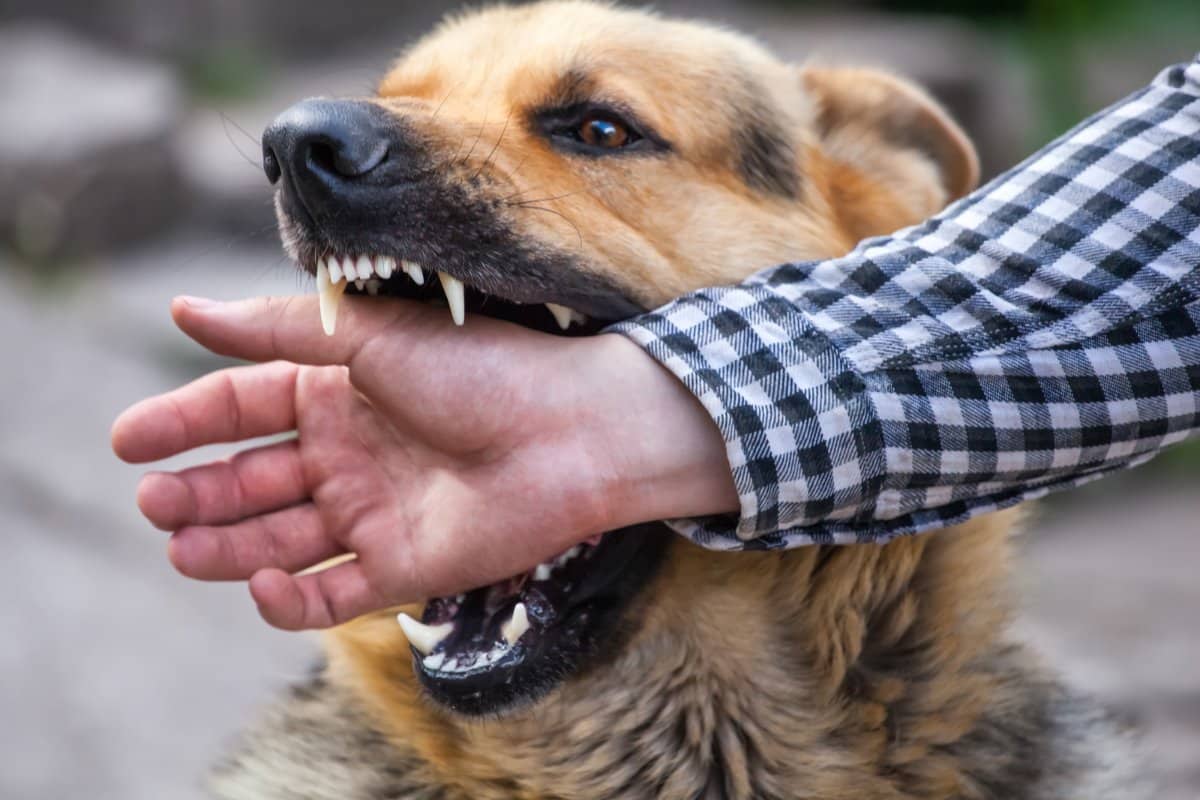 Dog attacks have left victims in Ohio and Kentucky with devastating injuries, permanent nerve damage, and emotional trauma they carry with them for the rest of their lives. Although any dog can bite under the right circumstances, it’s no secret that some dogs have more frequent bite reports and are more likely to cause severe damage when they do bite. Having said that, factors like training, socialization, and abuse also play a role in these attacks.
If you or someone you love has been bitten by a dog in Ohio or Kentucky, you could be entitled to compensation. Let’s discuss your next steps and legal options. Call Crandall & Pera Law, LLC to schedule a time to talk.
What makes a dog breed more dangerous than others?
It’s not just the frequency of bites that makes one type of dog more dangerous than another. For example, smaller dogs like chihuahuas may bite, but they are rarely the subject of reports and breed bans. This is because chihuahuas aren’t as likely to break skin and cause serious nerve damage. Size and strength matter.
Bite force and prey drive also play a role in dangerous breed determinations. Historically, some breeds were bred for guarding, fighting, protection, or hunting. These dogs are known for strong territorial instincts, powerful jaws, high prey drive, and persistence during attacks. This doesn’t make them bad dogs; many are good family pets, especially with proper training. But when attacks do occur, the outcomes are likely to be serious.
Owner behavior is a huge factor in dog bite and attack cases. Dogs that are poorly socialized, have minimal training, suffer abuse or neglect, or are trained for aggression are at a higher risk of biting. Even the most good-natured dog can become incredibly dangerous with an irresponsible owner.
The most dangerous dog breeds are often linked to serious attacks
If you look at certain bite and fatal-attack reports, some of the same breeds and breed types tend to appear.
Pit bulls
While “pit bull” isn’t a breed, this term is used to refer to American Staffordshire Terriers, American Pit Bull Terriers, and a variety of mixed-breed dogs with specific physical traits. These dogs are almost always at the center of debates about dangerous dog laws, as attacks frequently result in catastrophic injuries.
Rottweilers
These massive working dogs were initially bred for guarding and protection work, which unfortunately makes them very dangerous if they do attack. While loyal and intelligent, Rottweilers can also become dangerous if they are poorly trained, improperly handled, or irresponsibly bred. Their size and bite strength can leave victims with severe physical injuries and emotional trauma.
German shepherds
German shepherds are the backbone of K9 units across the country, thanks to their intelligence and protective instincts. These same traits can lead to fatal or catastrophic dog attacks. They are known for territorial aggression, protective aggression, and strong chasing instincts.
Other breeds commonly reported in dog bites
Other breeds that may pop up on bite lists include huskies, Doberman pinschers, mastiffs, akitas, and wolf hybrids.
Are some dog breeds actually more aggressive?
Looking at dog bite statistics, this appears to be a straightforward answer—yes. But the statistics aren’t always accurate. Breed identification is not always accurate, and media reporting tends to focus heavily on known dangerous breeds while failing to report on bites from lesser-known dangerous breeds. Breed misidentification is a chronic issue in this area; some people call any boxy, strong-looking dog a “pit bull,” leading pit bulls to be blamed for bites that should be attributed to other dog breeds.
Additionally, the environment may play a bigger role than a dog’s breed. Dogs that are chained outside, starved, abused, neglected, or poorly trained are generally more likely to be aggressive—no matter their breed. At the end of the day, responsible ownership, training, and supervision could go a long way in reducing dog bites.
Ohio dangerous dog laws
Ohio classifies dogs as nuisance, dangerous, or vicious based on conduct such as injuring a person, killing another dog, or displaying specified aggressive behavior without provocation. Dogs that are designated as dangerous or vicious may have to be securely confined, restrained or muzzled when off the owner’s premises and registered with the county auditor.
Ohio does allow dog bite victims to pursue compensation after attacks. Available compensation may include medical expenses, lost wages, permanent scarring, pain and suffering, and mental trauma.
Kentucky’s dog bite laws
Kentucky also allows victims to sue owners when they are bitten by a dog. Kentucky is not a “one bite state,” so owners can be held liable even if their dog has no history of being aggressive.
How do dog bite claims work in Ohio and Kentucky?
Dog bite claims often start with a report to the proper authority. In Ohio, bites must be reported to the local health department within 24 hours. Kentucky also requires bite reports to be made to the local health department; physicians generally report within 12 hours, and if no physician attends, the bitten adult, caregiver, or a child’s parent or guardian must report. Additionally, people generally report bites to their local animal control department.
You’ll also want to keep copies of medical reports, proof of treatment you’ve received, witness contact information, and photos of your injuries. You can take this information to a dog bite attorney, who can help you pursue compensation. In many cases, an owner’s homeowners’ insurance pays out for these claims—in others, you may have to go after the owner personally.
Explore your legal options with our team
Whether you need to talk to a dog bite lawyer in Kentucky or a dog bite attorney in Ohio, Crandall & Pera Law, LLC is here for you. While you navigate your recovery and treatment, let us hold the owner accountable. Call us or contact us online to schedule a consultation.