
What to Do After a Car Accident That’s Not Your Fault (Ohio and Kentucky Guide)
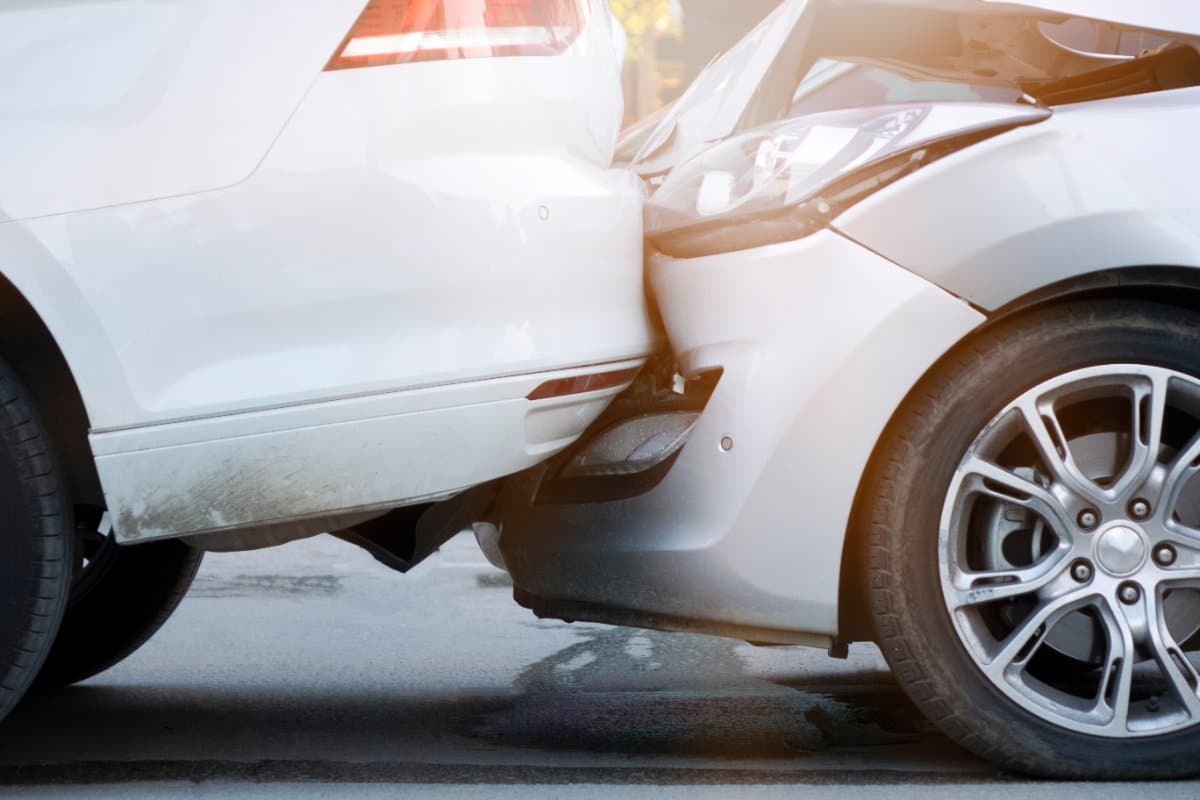 Being involved in a car accident is incredibly stressful, and unfortunately, many of us will experience it at least one time in our lives. The situation is even more frustrating when someone else’s negligence caused the crash. You may have seen the other driver run a red light, turn without looking for you, look down at their phone before drifting into your lane, or you may have been completely blindsided by the collision.
Regardless of what caused the accident, responding appropriately after a crash can help you protect your health, safety, and personal injury claim. Call Crandall & Pera Law, LLC to discuss your next steps now.
Put safety first and report the accident
In both Ohio and Kentucky, your first priority is your safety and the safety of everyone else in your vehicle. Check for injuries right away and call 911 for any serious injuries. If law enforcement does not investigate the crash, you may also have to file a written report with Kentucky State Police within 10 days.
If you speak to a 911 operator or police officer on the phone, follow their directions regarding your vehicle. If it’s safe to do so and no one is hurt, they may recommend that you move your vehicle to the shoulder or another safe location to avoid causing another collision.
After the police arrive, answer their questions. Avoid guessing what happened; if you don’t know the answer to a question, it’s better to tell the police that than to guess.
Before you leave the scene of the crash, find out how to get a copy of the police report when it is available.
Gather evidence before leaving the scene
There is a lot of valuable evidence at the scene of a car collision, and most of it is time-sensitive. If you wait to take photos or video footage, it will be too late. Take photos and videos from a variety of angles and distances. At least some of the photos should capture both vehicles’ license plates, damage to both vehicles, road and weather conditions, and nearby landmarks.
You should also exchange information with the other driver before you leave the scene. Get their full name, phone number, insurance information, and a brief description of their vehicle. If there are any witnesses who stopped to provide help, get their contact information as well.
Seek medical care—even if you feel fine
This is where people start to worry that they’re overreacting, but the fact is that prompt medical care after an accident can affect your treatment efficacy and recovery. Even if you feel fine after an accident, consider getting checked out at an urgent care center or emergency room. Certain injuries, including traumatic brain injuries and internal bleeding, may not be immediately visible. A thorough medical assessment can identify these injuries and help you get the care you need.
Common injuries you may experience after a car accident include whiplash, concussion, neck injuries, back injuries, soft tissue injuries, and broken bones. By getting a prompt diagnosis, you can avoid unintentionally making your injuries worse by trying to go right back to life as normal.
Make sure you keep copies of any reports, tests, or bills you receive. If you end up pursuing a personal injury claim, having proof of your medical needs and expenses will be very helpful. Insurance companies tend to go over medical records closely, and delays in care can work against you.
Understand how insurance claims work in Ohio and Kentucky
This is one of the main areas where the states differ significantly. Ohio and Kentucky handle insurance claims differently. Ohio is a traditional fault-based state, which means that the party responsible for causing an accident is typically financially responsible for any damages that follow. The injured parties in a claim may go after the at-fault party for compensation by suing them in court.
In Kentucky, most motor vehicles carry Personal Injury Protection coverage that pays for qualifying medical expenses and other losses. While many accidents require injured people to look first to applicable PIP coverage for certain injury-related losses, there are cases where injured parties can seek compensation from the at-fault party. This typically happens when there’s more than $1,000 in medical expenses, a broken bone, permanent disfigurement, permanent injury, or death.
No matter where your accident occurred, it’s important to report the crash to your insurance company promptly. Your insurance contract likely requires you to report all accidents within a specific timeframe and cooperate with the company’s investigation. When you talk to the insurance adjuster, be concise and factual. Don’t speculate about what happened or entertain low settlement offers before you even know the extent of your injuries.
When should you contact a car accident attorney?
Some car accidents become much more complicated than victims expected. You may want to talk to a car accident lawyer if you suffered significant injuries, fault is unclear or disputed, there were more than two vehicles involved, or if the at-fault party was uninsured. An attorney can also help you pursue a claim if a company vehicle was involved or the insurance company is questioning your claim and your injuries.
In many cases, car accident cases resolve during negotiations. But sometimes, you may need to go to court. An experienced personal injury lawyer can investigate your crash, protect important evidence, communicate with insurance companies on your behalf, negotiate, and take your case to court if necessary.
Injured in a car accident? Contact Crandall & Pera Law, LLC now
After a car accident, having an attorney advocating for you can make a big difference. Let’s talk more about your legal options. Call us or request a free case evaluation online now.