
What Happens If You Have No Insurance But the Other Driver Was At Fault?
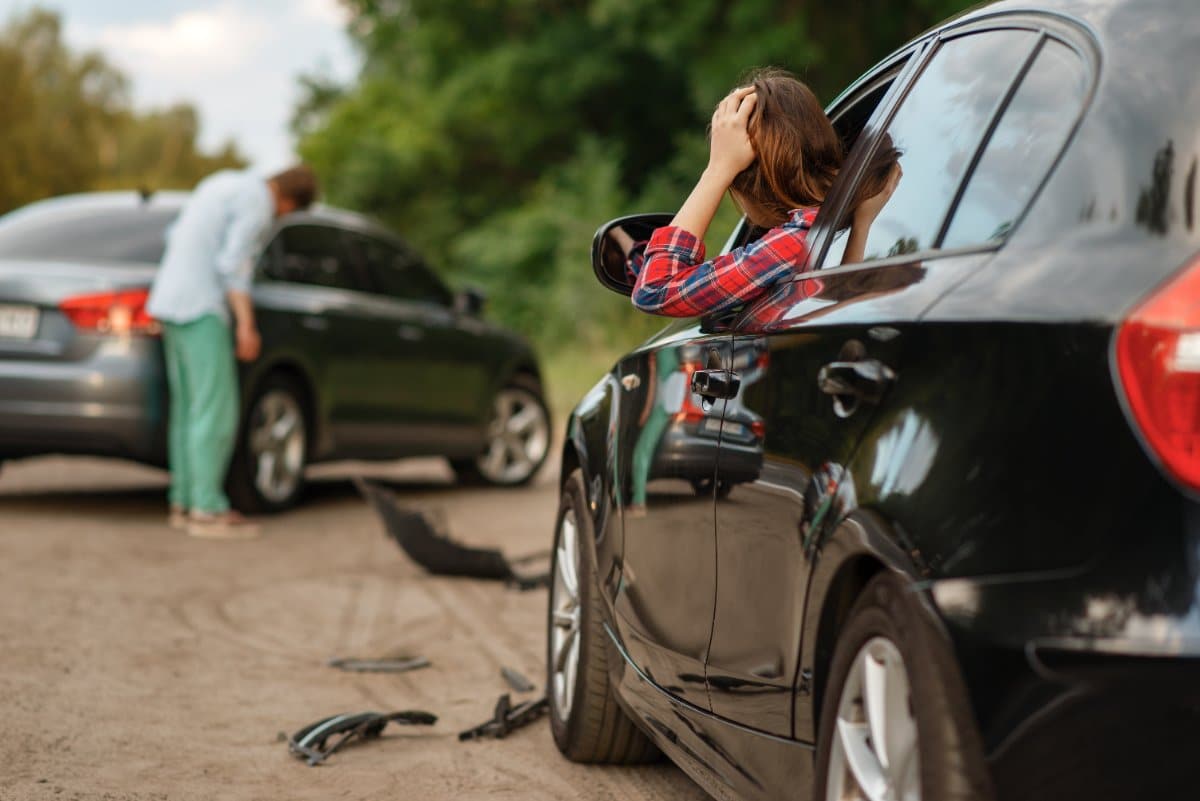 Few things make a car accident worse than discovering that you do not have active auto insurance. Some people know they don’t currently have car insurance, while others mistakenly assume their coverage is still active. Either way, avoid assuming that not having coverage means that you have no legal rights. While driving without insurance can definitely have legal consequences, it doesn’t necessarily stop you from pursuing compensation for injuries and other losses.
If you’re wondering what happens if you have no insurance but the other driver was at fault, talking through your concerns with a car accident lawyer may help. Your options depend on whether Ohio or Kentucky law applies to your crash, but in both states, fault is an important part of securing compensation after a crash. Call Crandall & Pera Law, LLC to schedule a consultation with our team now.
Does being uninsured mean you can’t recover compensation?
To start, neither Ohio nor Kentucky has a “no pay, no play” rule that bars you from recovering compensation if you do not have car insurance at the time of a collision. There are states that have these laws, but Ohio and Kentucky do not explicitly bar you from recovery. Generally, your failure to maintain insurance and responsibility for the accident are separate legal issues.
If another driver’s negligence caused the collision, that driver could still be legally responsible for the harm they caused. The fact that you were uninsured doesn’t make you responsible for an accident you did not cause.
This distinction makes these situations a little more complicated than many drivers assume. Your ability to seek compensation may still stand.
However, that doesn’t mean that you won’t face any consequences for driving without insurance. If you are uninsured in Ohio, your license may be suspended until you meet reinstatement requirements. Subsequent violations within one year lead to longer and longer suspensions. You may also have to file and maintain proof of financial responsibility for one year; an SR-22 is one way to do so.
In Kentucky, your vehicle registration may be revoked if you do not maintain required insurance. Fines generally range from $500 to $2,500, depending on the violation and prior offenses. You may also face jail time. For a second or subsequent offense, reduced penalties may require proof of insurance and proof that the premium for a minimum six-month policy has been paid.
What you should do immediately after an accident
Whether or not you have car insurance, the steps you take after a crash are basically the same. Your first priority is safety. Check yourself and your passengers for injuries. If there are any severe injuries or the collision puts you in immediate danger (for example, you’re in the middle of a busy intersection or on the highway), call emergency services. Once it is safe to do so, you may want to move the vehicles out of traffic onto the shoulder to avoid additional accidents.
If the crash isn’t severe enough to call emergency services, consider calling the non-emergency line to report the crash. In Kentucky, however, certain crashes must be reported to law enforcement, and a written report may also be required if an officer does not investigate. This may result in a police officer responding to the scene of an accident and creating a report, which may be important for your claim. But your uninsured status may still be discovered through the crash-reporting or insurance-verification process.
Before leaving the scene, gather as much evidence and information as you can. Get the other party’s name, insurance information, and a brief description of their vehicle. Take photos of the vehicles, road and weather conditions, road debris, skid marks, and anything else showing the extent of the accident.
How Ohio and Kentucky may handle these situations differently
These states have different approaches to handling many car accident claims, so where you are matters. Ohio has a fault-based insurance system, which means that the person at fault for the accident is generally financially responsible for damages. Determining fault plays a central role in most personal injury claims. A situation involving an uninsured at-fault driver in Ohio differs significantly from a situation where the uninsured driver is not at fault; if you were the at-fault party, you would likely be personally responsible for damages resulting from the accident.
On the other hand, Kentucky has a no-fault insurance system for many minor crashes. Under this system, an individual’s Personal Injury Protection coverage often pays for their own medical expenses and other losses. However, there are times that Kentucky allows victims to pursue compensation from the other party. If your medical expenses exceed $1,000, the accident results in permanent injury, you have a broken bone, or you suffer permanent loss of a bodily function, you may still file a claim against the other party. However, if you own the uninsured vehicle, you generally cannot recover basic PIP benefits from any source, and damages that would otherwise fall within basic reparation benefits may not be recoverable from the at-fault driver.
Challenges you may face during an insurance claim
While being uninsured doesn’t automatically stop you from pursuing a claim, it can make the process more challenging. The insurance company may attempt to use your uninsured status to weaken your claim and your negotiating position, even if it’s clear that their client caused the accident. Adjusters may dispute liability, argue that your injuries are unrelated, or make settlement offers that are far too low to cover your losses. Working with an experienced car accident lawyer can help you mitigate these challenges.
Choose Crandall & Pera Law, LLC for your car accident claim
Whether you live in Ohio or Kentucky, our team is here to help you pursue compensation after a car accident. We understand that being uninsured can complicate your case, and we’re ready to answer your questions and address your concerns. Contact us online or call us now to discuss your next steps.