
Driving Anxiety After a Car Accident: How to Cope and Move Forward
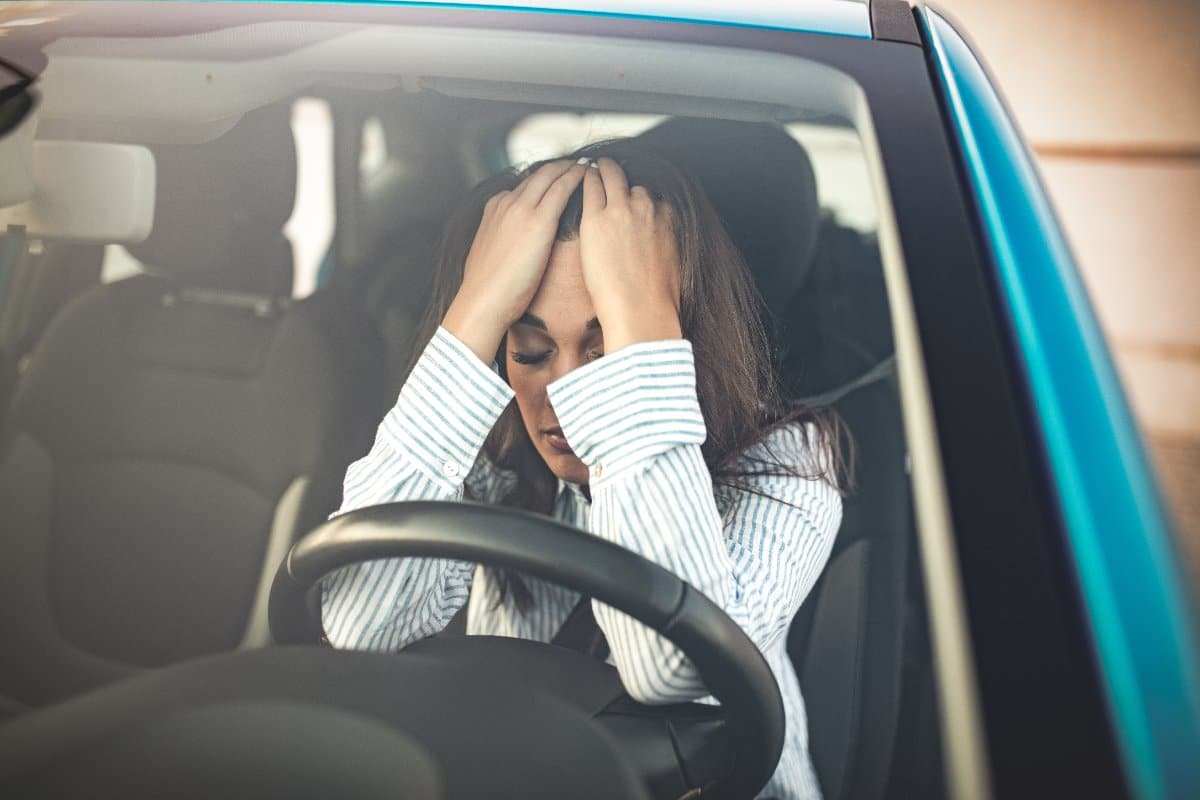 The effects of a car accident don’t always stop once you leave the hospital or get your vehicle back. Your injuries may heal, and your insurance claim may get resolved, but the fear left behind by the crash may hang on. Some crash victims feel tense, panicked, or unsafe when they decide to try driving again. One person might avoid highways or the intersection where the crash occurred. Another might feel so panicked even approaching their vehicle that they never actually get behind the wheel.
If you’re experiencing driving anxiety after an accident, know that you are not alone. Recovering emotionally can take time. Treatment, support, and slow steps back to a regular driving routine can help you feel safer and more in control. If you’re concerned about getting the mental health support you need, fair compensation may make a difference. Call Crandall & Pera Law, LLC to schedule a case evaluation.
Why does driving anxiety happen after a car accident?
Experiencing driving anxiety after an accident is a very normal response to trauma. During a collision, the brain processes the entire event as a threat to your safety. Afterward, as your brain tries to process what happened and figure out how to protect you going forward, it may perceive driving as dangerous in general. Even when you’re no longer in immediate danger, your brain may respond to driving as an active threat.
This manifests differently for each person. Some people are mildly uncomfortable or anxious for a few weeks but become less anxious with each successful drive. Others experience such a strong and profound fear of driving that they cannot get to work, take care of family responsibilities, or engage in normal daily activities.
Warning signs of driving anxiety include a racing heart while driving or thinking about driving, sweating and shaking behind the wheel, feeling on high alert while driving, difficulty concentrating on the road, trouble sleeping, intrusive memories, and avoiding driving or certain areas.
You may find that your symptoms naturally improve with time, but for some people, these symptoms actually worsen with time. Emotional symptoms can also be indicative of post-traumatic stress disorder if they last for more than one month and meet other diagnostic criteria. It’s important to seek help when you first recognize warning signs of driving anxiety.
Practical ways to rebuild confidence behind the wheel
Recognizing that driving anxiety is normal may be the first step to recovery. Victims often find that realizing that anxiety is normal and that healing takes time can take the pressure off of them to start driving immediately.
Instead of going right back to driving as much as you did before the accident or driving the exact same routes you did before the accident, experts often recommend gradually reintroducing driving. Drive short distances on familiar roads or only drive at times when traffic is minimal. You may find that driving is a little easier and less anxiety-inducing with a close friend or family member in the passenger seat. While they aren’t the right option for everyone, breathing exercises may help some people start driving in a calmer state of mind. You can steadily increase the length and complexity of trips as you build your tolerance.
Throughout this, remember that recovery isn’t usually a straight line. You’ll have good days and bad days, but in general, your recovery should trend upward.
When to seek professional help for car accident anxiety
While anxiety may fade with time for some people, others may experience persistent emotional distress that requires medical attention. If your symptoms are so severe that they interfere with your ability to take care of your family, work, or participate in daily activities, consider talking to a healthcare professional.
There are many treatment options for driving anxiety. Depending on how your anxiety is affecting you and what symptoms you’re experiencing, your providers may recommend individual counseling, cognitive behavioral therapy, EMDR, medication, and support groups for trauma survivors.
Even with treatment, know that driving anxiety can take time to resolve. Just as your body recovers on its own specific timeline from physical injuries, your mind may recover from driving anxiety as it works through what you’ve experienced. Seeking help is an important step.
Can mental trauma be part of a car accident claim?
Yes, mental trauma can absolutely be part of your car accident claim. In Kentucky, recovery for mental anguish in many motor vehicle accident claims is subject to the state’s statutory tort threshold. People often assume that they can only receive compensation for physical injuries after a car accident in Ohio or Kentucky, but emotional trauma can have a profound impact on your life. It can be more challenging to negotiate compensation for mental injuries, which is why having documentation is important.
If you seek treatment for anxiety, PTSD symptoms, or other mental health symptoms after an accident, those medical records can be an important part of your personal injury claim. Your car accident attorney in Kentucky or Ohio may ask for evidence like medical evaluations, proof of mental health diagnoses, counseling records, treatment plans, and prescription records.
How a personal injury attorney may help
Dealing with insurance adjusters, medical bills, time away from work, and uncertainty about life after an accident can make it especially difficult to pursue a personal injury claim. Having the right car accident lawyer advocating for you may allow you to focus on your physical and mental recovery. Your lawyer can investigate your crash, gather evidence, build a case demonstrating the other party’s liability, calculate potential damages, and negotiate on your behalf. By bringing in a lawyer early, you give yourself more space to focus on healing.
Call Crandall & Pera Law, LLC for a free case evaluation if driving anxiety is taking over your life
At Crandall & Pera Law, LLC, we’ve seen how a car accident can affect every part of a victim’s life. We’re here to help. Let’s talk more about your accident, how it’s impacted you, and what we can do to help. Schedule your consultation now by calling us or contacting us online.