
Comparative Negligence in Ohio Car Accident Cases Explained
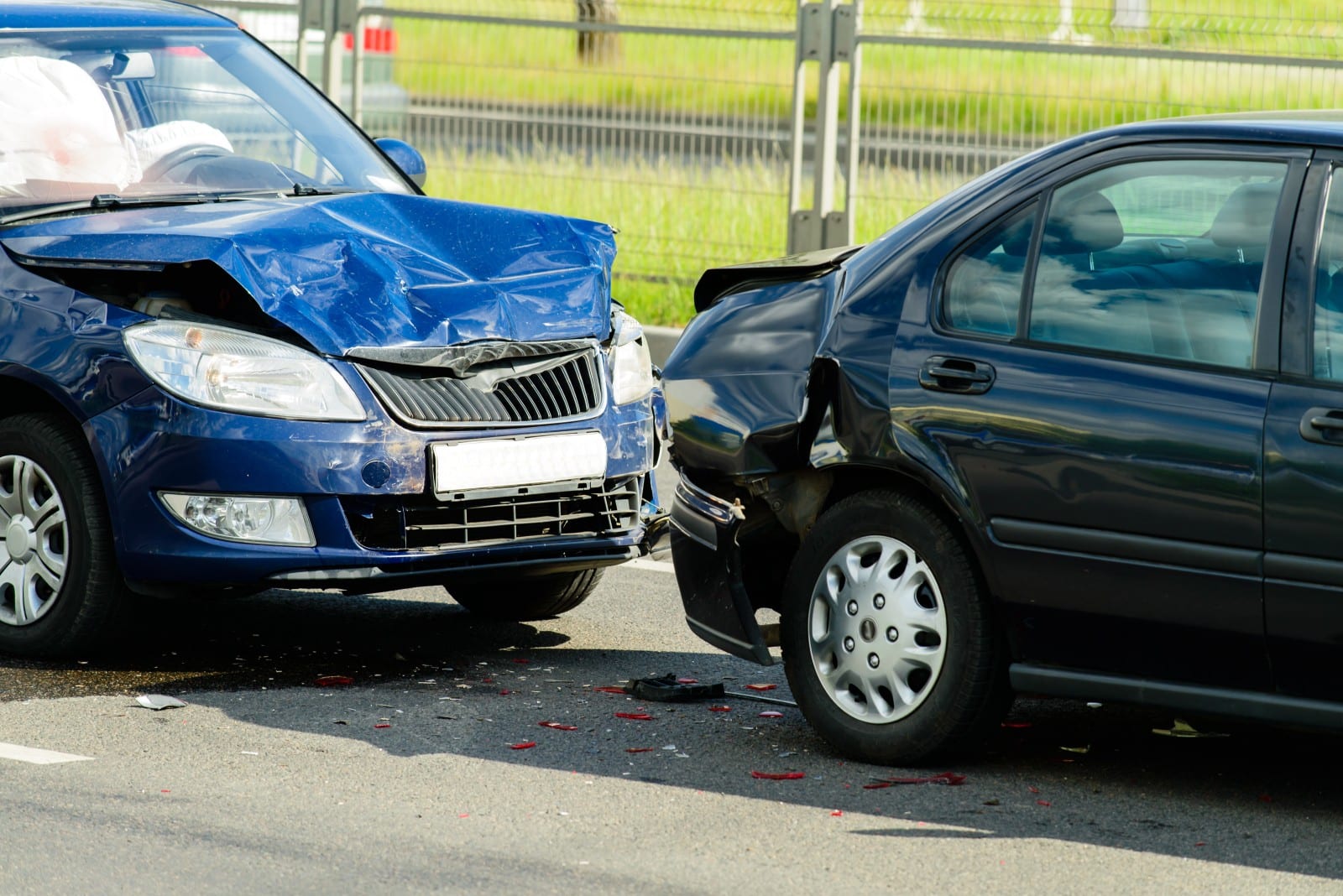 Ohio car accidents are rarely as cut-and-dry as one driver being completely at fault. In many accidents, both drivers share fault to some degree. In some situations, there’s even a third party that shares liability. When multiple parties are to blame in an accident, Ohio’s comparative negligence rule comes into play. It determines how compensation is handled and whether the person seeking compensation can recover anything.
If you’ve been injured in an Ohio car accident and you’re unsure of your next steps, finding the right legal team is critical. Contact Crandall & Pera Law, LLC to schedule a consultation with our personal injury team now.
What is comparative negligence?
Comparative negligence allows an injured victim to still recover compensation if they are partially at fault for an accident. Instead of preventing recovery entirely if the victim is partially to blame—which is how these situations are handled in contributory negligence states—comparative negligence states adjust compensation to account for how blame is split.
Consider an accident involving a driver who strikes another driver while changing lanes. The driver changing lanes failed to check their blind spot, which makes them negligent. However, the driver in the other lane was speeding excessively, which also makes them negligent. Both parties would be assigned a portion of the blame, which would affect how much compensation the injured party would receive.
Ohio’s modified comparative negligence rule
Ohio is not a pure comparative negligence state. Pure comparative negligence states allow a victim to recover compensation no matter how large their share of blame is; modified comparative negligence states have limits. In Ohio, under O.R.C. § 2315.33, an individual can recover compensation if they are no more than 50% responsible for the accident.
This approach to comparative negligence aims to prevent a driver who is primarily responsible for a collision from receiving compensation from the other party.
How does this work in practice? Imagine someone runs a red light and T-bones another driver. The first driver is primarily responsible, but the driver who was hit was speeding, so they share some liability. The driver who ran the red light attempts to sue the other party for the damage to their vehicle. However, because they are found to be 90% at fault, they cannot recover anything from the other driver.
How do fault percentages affect compensation?
Once the fault has been evaluated and spread among the involved parties, the injured party’s compensation is calculated based on their share of liability. Consider, for example, a case involving an injured party with $100,000 of losses. The investigation found that they were 30% at fault for the collision. Their compensation is reduced 30%, leaving them with $70,000 instead of $100,000.
Common situations where comparative negligence applies
Ohio’s comparative negligence rule often comes into play when multiple factors contribute to an accident. Most accidents are the result of multiple mistakes or contributing factors, even if there’s one clear mistake serving as the main contributing factor. Examples where shared fault may apply include:
- One driver runs a red light and hits a speeding driver
- Rear-end collisions involving a driver in front who stops abruptly without warning or reason
- The driver does not signal before changing lanes and strikes a driver who was moving too quickly
- Accidents caused by multiple distracted drivers
- Multi-vehicle accidents involving mistakes committed by multiple drivers
These cases can get complicated quickly, often involving investigators and multiple insurance companies conducting their own analyses to determine fault.
How is fault determined in Ohio car accident cases?
Assigning fault after a crash involves an in-depth look at the available evidence. This is why your car accident attorney recommends saving as much evidence as possible—the more you can prove exactly what happened, the easier it is to back up your claims.
Many forms of evidence may be used to determine how liability should be split, including:
- Police reports
- Eyewitness statements
- Traffic cameras
- Dashcam footage
- Photos and video footage of the accident scene, including damage to both vehicles
- Data from a vehicle’s black box
- Damage to other property at the scene
- Accident reconstruction analysis
The more complex an accident is, the harder it is to determine exactly what happened—and the more important it is to have evidence supporting your claim. For example, in a rear-end collision, determining what happened is fairly straightforward. But when you have a four-vehicle crash where it’s impossible to tell who hit whom first, evidence plays a much more critical role.
How do insurance companies use comparative negligence to their benefit?
The concept of comparative negligence should benefit consumers. It ensures that one small error in judgment doesn’t completely bar them from recovery after an accident in which they suffered significant injuries. But comparative negligence can also be used by insurance companies to limit how much they pay out on a claim.
By shifting blame to the injured driver, insurance companies can reduce how much they have to spend on settlements. If they’re able to convince the injured driver that they are more than 50% at fault, they may be able to avoid paying anything.
During conversations with an injured driver, insurance companies may shift liability to them by claiming that they:
- Were speeding
- Were distracted by their phone or something else in their vehicle
- Followed the other vehicle too closely
- Could have done more to avoid the crash
Slight changes in fault percentage can result in significant savings for an insurance company, which is why disputes over liability are so common in these types of claims. It also highlights why you should have an Ohio car accident lawyer advocating for you.
Fighting for fair compensation after a car accident? Let’s talk about your options
At Crandall & Pera Law, LLC, we know how hard it can be to get fair and full compensation after a car accident that leaves you injured and without a vehicle. You don’t have to do this alone—contact us online to set up a time to meet with our team.