
Is Ohio a No-Fault State for Car Accidents?
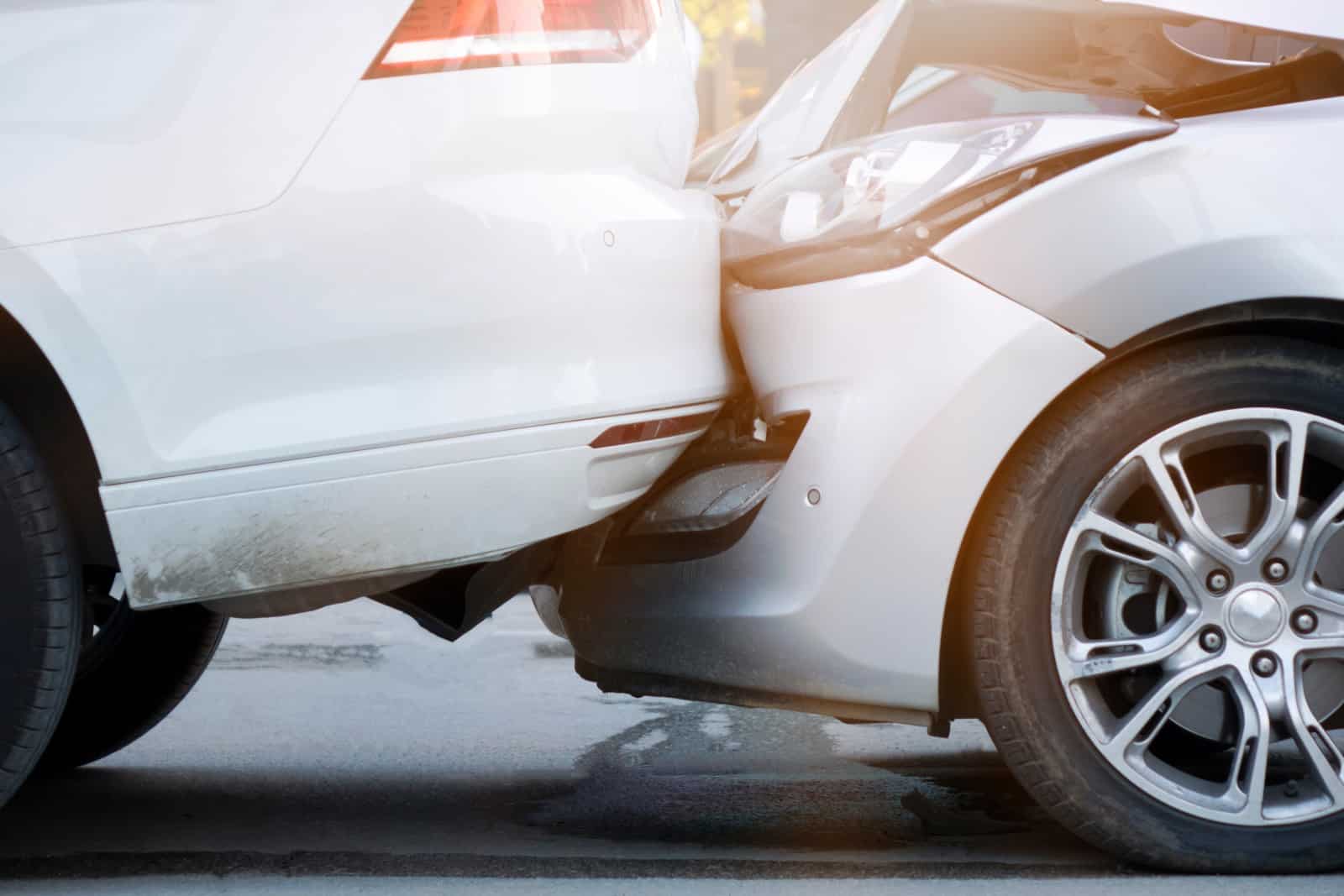 After a car accident, people aren’t thinking about insurance systems and legal terminology. They’re worried about finding out if their family is safe and figuring out how to get to work the next day. Because Ohio is not a no-fault state, people injured in an accident can seek compensation from the party responsible for the collision.
Having the right legal team advocating for you can make this process easier and more effective. Call Crandall & Pera Law, LLC to schedule a consultation with a car accident lawyer now.
What does “no-fault” vs. “at-fault” mean?
A lot of the confusion around this topic comes from the fact that different states – even neighboring ones – can handle car accidents very differently.
In no-fault states, drivers usually go through their own insurance company after a crash, no matter who is at fault. Even if the other driver is at fault, the injured driver’s insurance company covers their expenses. Damages are typically paid out through Personal Injury Protection coverage. In many of these states, there are circumstances that allow victims to still sue the other driver.
Ohio handles crashes differently. Fault plays a major role in determining who ultimately pays for damages in this state. When someone causes an accident through their own negligence, they are legally responsible for covering those damages. But it’s rare for an individual to actually pay out compensation – it usually comes from their insurance company.
Is Ohio a no-fault state?
No. Ohio is an at-fault state for car accidents. If you become injured in a car accident, you have several options for seeking compensation. You may file a claim with the other driver’s insurance company, and if you have the right type of coverage, you may also file a claim with your own insurance company. Some crashes involve drivers without any car insurance or with the minimum amount of coverage required, and in these cases, you may be able to seek compensation from your own insurance policy.
Since Ohio is not a no-fault state, determining who is responsible for an accident is a critical step in any of these processes.
How Ohio’s at-fault system works after a car accident
Most car accident claims follow a similar pattern, even though no two cases are identical. Insurance companies investigate the crash, review medical records, and decide if their driver is responsible or not.
Insurance companies start by reviewing the crash itself. They might look at police reports, witness statements, photographs, and surveillance footage. In complex crashes, they may even look at data from the vehicles involved. This helps them figure out who’s to blame.
Once they’ve finished looking at the basic facts of the crash, they start negotiating. Both sides try to find common ground about injuries, lost wages, vehicle repairs, and other losses. In some cases, negotiations only go one or two rounds before everyone agrees. In other cases, you’re in for weeks or months of back-and-forth.
Negotiations may stall when insurance companies dig their heels in. Insurance companies question the other side’s claims by questioning necessary treatments, claiming exaggerated injuries, or pressuring the victim into an early settlement.
When negotiations completely come to a halt because both sides have given as much ground as they can, a lawsuit may be the only path forward.
Why some people think Ohio is a no-fault state
As an Ohio resident, you may have heard of no-fault insurance in Ohio. This is one reason that many people assume Ohio is a no-fault state. While Ohio does not require MedPay (short for Medical Payments) coverage, insurers do offer it to consumers. It applies to the policyholder and their passengers.
This coverage pays for injuries resulting from an accident, regardless of fault. MedPay can definitely help cover some medical expenses after a crash, but it doesn’t turn Ohio into a no-fault state.
You may also be able to add uninsured/underinsured motorist coverage to your car insurance coverage. This may provide you with some protection if you are hit by an uninsured or underinsured driver.
Who pays for damages after an accident?
In Ohio, the at-fault party is typically responsible for paying damages. Damages paid out to victims may compensate them for medical expenses, lost wages, reduced earning capacity, property damage, pain and suffering, and other losses.
However, it’s important to mention Ohio’s modified comparative negligence rule. If you are partially at fault for a collision, you may still recover damages if you are 50% or less at fault. If your share of fault exceeds 50%, you receive nothing. What does this mean for you? If both parties share responsibility for the crash, compensation may be reduced.
Can you file a lawsuit after an accident?
Yes; since Ohio is not a no-fault state, there aren’t specific injury thresholds or types of coverage you need before you can file a lawsuit after an accident. You may want to pursue a lawsuit if the accident left you with serious injuries, both parties can’t agree on liability, the insurance company refuses any compensation, or their offer doesn’t cover your losses.
Ohio law usually gives you two years from the date of a collision to file a lawsuit against the at-fault party. But even though you may technically have two years, it’s generally better to file early while evidence is more readily available.
Explore your legal options with Crandall & Pera Law, LLC
Our team of car accident attorneys is here to help you fight for the compensation you deserve. Let’s discuss your accident and how we can help you. Give us a call or get in touch online to schedule a consultation.