
Odds of Dying in a Car Crash: Ohio and National Statistics
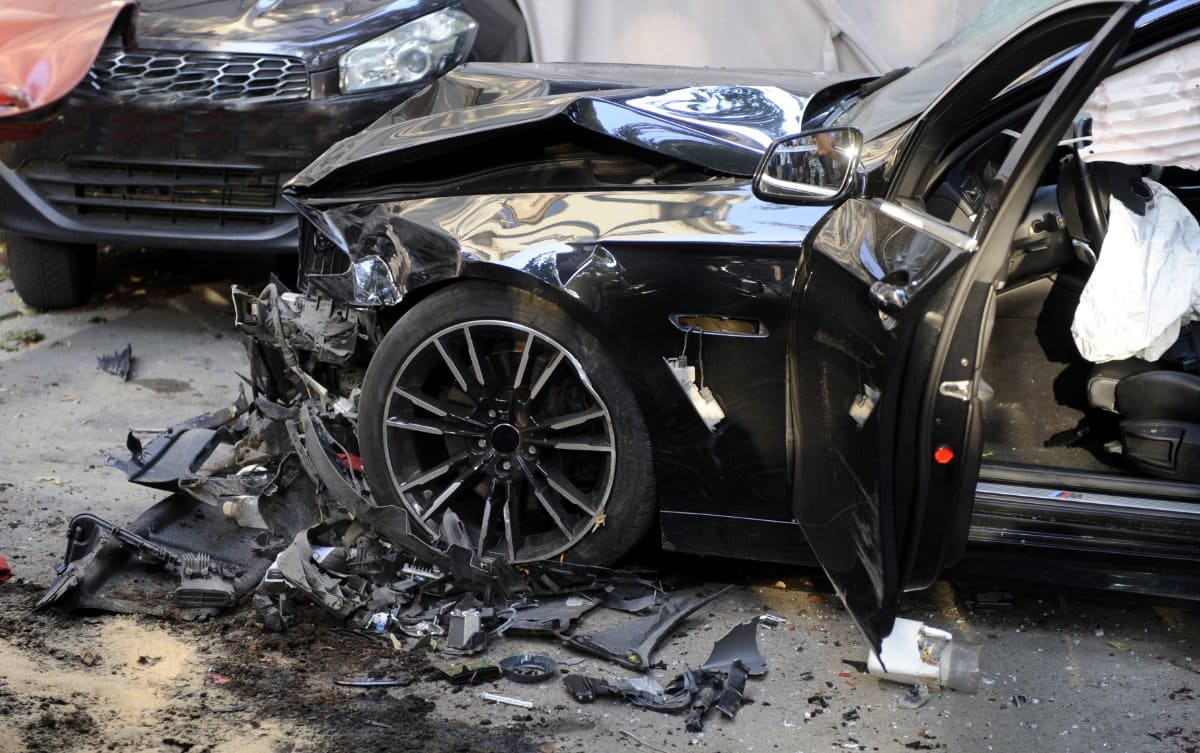 If you’re like most drivers in Ohio, you get behind the wheel of your car every day without thinking about the fact that it could be the last time you do so. Car accidents are a leading cause of accidental death in the United States, so although the odds of dying on any specific trip are fairly low, the overall risk is somewhat higher.
Knowing these risks can help you make safer driving decisions and avoid becoming complacent on the road. Looking for help with a car accident claim in Ohio? Let’s talk. Call Crandall & Pera Law, LLC to schedule a consultation.
What are the odds of dying in a car crash?
Across a lifetime, the U.S. average odds of dying in a motor-vehicle crash are 1 in 101, per the National Safety Council. Daily driving feels routine and monotonous, but the reality is that driving is a huge responsibility and risk. These odds work out to be just under 1%, which is not a small number when you think about how, statistically, about one in 100 people in the U.S. could be expected to die in a motor-vehicle crash over a lifetime. Of course, the actual risk of dying in any specific trip is considerably lower, but staying attentive and mindful of the dangers of driving is the main way to minimize your risk.
The National Safety Council compares the odds of dying in various ways, and car accidents are among the most common examples given. The odds of dying as a passenger on an airplane are listed as too few deaths in 2024 to calculate, and the odds of drowning in a bathtub are 1 in 5,826.
How common are traffic fatalities in the U.S.?
The United States is a nation that’s heavily dependent on car travel, especially when you compare it to many European and Asian countries. It shouldn’t be a big surprise that we have higher traffic fatality rates than many other countries. The NHTSA estimates that there were 36,640 traffic fatalities in 2025.
These accidents occur in every state, in rural and urban settings, at all times of day, and with all types of vehicles. While fatal car accidents can happen under any conditions, there are definitely some factors that can sway your odds in either direction. Ohio saw a 3.2% drop between 2024 and 2025, while Wyoming saw a 15.9% increase and Hawaii saw a 26.5% jump. Driving while impaired is highly correlated with fatal collisions, as is distracted driving.
Ohio car accident fatality statistics
The NHTSA also breaks down fatality counts and rates by state. In Ohio, NHTSA reported 1,157 fatalities in 2024 and estimated 1,120 in 2025. These numbers have dropped significantly since the COVID-19 pandemic. During the pandemic, there were fewer people on the road but a higher rate of fatal crashes. Recent NHTSA estimates show fatality rates continuing to decrease.
What increases the chances of dying in a car accident?
There are certain factors that come up again and again in crash reports. Recognizing these trends and connections can help you decide when to drive, when to stay home, and when to be extra cautious of the people you’re sharing the road with.
Speeding has long been one of the most significant predictors of a fatal collision. Higher driving speeds increase stopping distance, reduce the time a driver has to react, and lead to more violent impacts. When a car is involved in a high-speed crash, the collision is more likely to lead to a rollover, ejection of vehicle occupants, catastrophic injuries, and multiple fatalities.
Failure to use seatbelts is also an important factor in crash fatalities. While seatbelts do not always prevent fatalities (because no safety measure is 100% effective), they are one of the most effective protections available to drivers and passengers.
Impaired and distracted driving are similar in the effect they have on safe driving. Drug and alcohol use impair your judgment, coordination, reaction time, and decision-making ability. A distracted driver is less likely to notice obstacles, react to them in time, and make sound decisions that avoid crashes.
Are modern cars safer than they used to be?
There is good news to be found here—the vehicles we drive nowadays are dramatically safer than the vehicles that were on the road 30, 20, or even 10 years ago. The safety features that were only available in high-end vehicles a decade ago are now standard on vehicles of various price points. Blind spot monitoring, lane departure warning, backup cameras, better crumple zones, and automatic emergency braking are all features that prevent crashes and save lives.
Each year, car manufacturers add new features that protect against human error and decrease the risk of different types of collisions. Because of this, people sometimes ask why collisions still happen. There’s no technology available that completely eliminates the risk of human error or dangerous driving behavior. That’s why many fatal accidents still involve excessive speeding, impaired driving, distracted driving, or general reckless driving, not unavoidable factors.
On top of that, safety systems can lead to a false sense of confidence among drivers. Drivers may assume they no longer need to be as vigilant.
Injured in a car crash? Our team is here to help
If you’ve been involved in a car collision, it is crucial that you explore your legal options and find out if you are owed compensation. The car accident attorneys at Crandall & Pera Law, LLC are here to help you navigate this process. Call us or send us a message online to get started.